
"Winter is the time for comfort,
for good food and warmth."
Edith Sitwell
HEATED DRIVEWAYS FOR COLORADO WINTERS
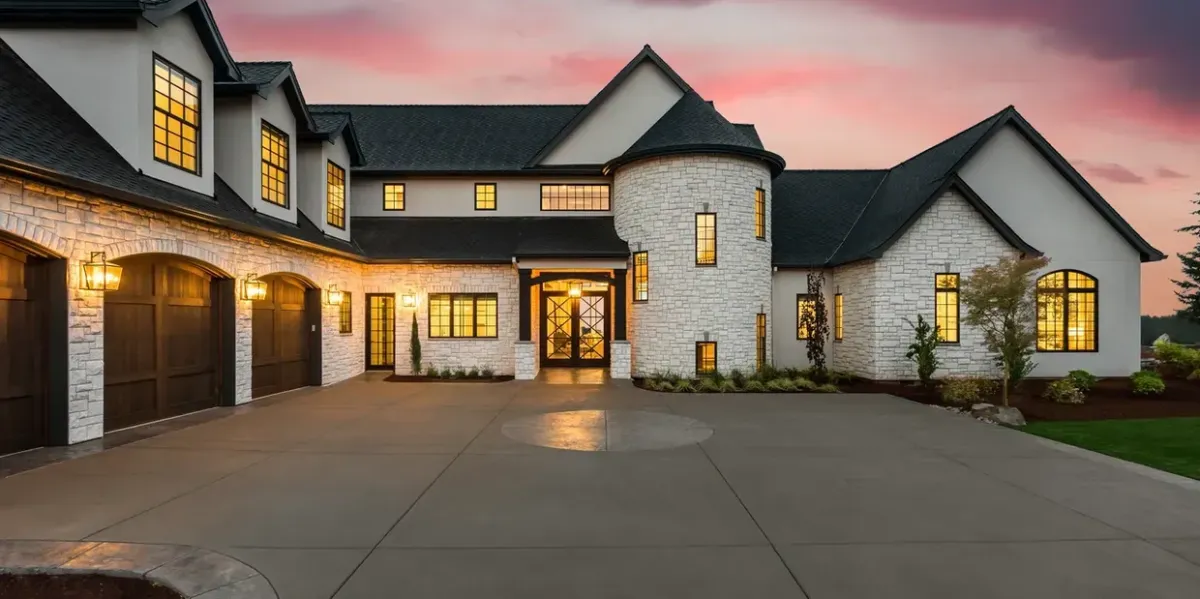
HEATED DRIVEWAYS & WALKWAYS FOR WINTER SAFETY
Colorado winters can make snow and ice management a constant challenge. Heated driveways and walkways offer a premium solution that keeps surfaces clear and safe throughout the season.
Landscape Jake installs heated driveway systems that melt snow automatically, reducing the need for shoveling, snow removal, and de-icing chemicals. Instead of constantly managing snow buildup, heated surfaces activate when winter conditions occur, helping maintain clear, safe access to your home even during heavy storms.
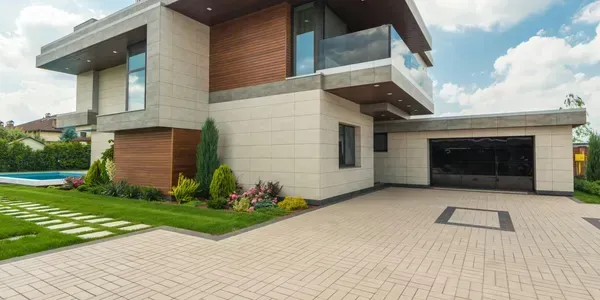
ELECTRIC VS. HYDRONIC HEATED DRIVEWAY SYSTEMS
There are two primary types of heated driveway systems used in residential construction: electric systems and hydronic systems. Both are designed to melt snow and ice automatically, but they operate using different technologies and are suited to different types of properties.
Electric heated driveway systems use durable heating cables or mats installed beneath the driveway surface. When activated by temperature and moisture sensors, the cables warm the driveway and melt snow as it accumulates. Electric systems are typically easier to install and are a common choice for residential driveways, walkways, and entryways. They are especially well-suited for retrofit projects or smaller areas where installing a boiler system would not be practical.
Hydronic heated driveway systems use a network of flexible tubing installed beneath the driveway that circulates heated water mixed with antifreeze. The water is warmed by a boiler system and pumped through the tubing to melt snow from the surface above. Hydronic systems are often used for very large driveways or commercial applications because they can heat larger areas efficiently once installed.
For most residential properties in Colorado, electric systems are the most practical and commonly installed optiondue to their reliability, lower installation complexity, and ability to integrate easily with concrete or paver driveways. During the planning phase, our team evaluates the size of the area, energy requirements, and long-term maintenance considerations to recommend the system that best fits your property and winter needs.
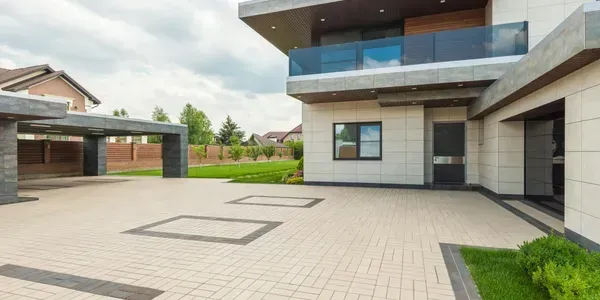
WHEN TO CONSIDER INSTALLING A HEATED DRIVEWAY
Heated systems are ideal for:
Driveways
Walkways
Front entrances
Stairs and pathways
These systems integrate seamlessly beneath concrete or paver surfaces, creating a clean, low-maintenance solution for winter conditions.
The best time to install a heated driveway system is during new driveway construction or when replacing an existing driveway. Because the heating system is installed beneath the surface material, it integrates most efficiently when the driveway is already being rebuilt or upgraded.
Many homeowners begin considering heated systems when they are:
Building a new home
Replacing an aging or damaged driveway
Upgrading to decorative concrete or pavers
Improving accessibility for winter conditions
Designing a full landscape renovation
Planning ahead allows the heating system to be integrated seamlessly into the driveway design while minimizing installation costs.
No Shoveling. No Ice.
Heated Driveways Built for Colorado Winters
Find the Right Heated Driveway System for Your Home
HOW HEATED DRIVEWAY SYSTEMS WORK
Heated driveway systems are installed beneath the surface of your driveway or walkway and are designed to melt snow and ice as they accumulate. Most systems use durable electric heating cables that are embedded within the base layer before the final driveway material is installed.
Once temperatures drop and moisture is detected, the system activates and gently warms the surface above. This prevents snow and ice from bonding to the driveway, allowing it to melt away safely and efficiently.
Installation typically involves:
• Sub-base excavation and grading
• Installation of heating cables or mats
• Insulation layers to direct heat upward
• Sensors that detect temperature and moisture
• Concrete or paver surface installation above the system
• Electrical connection and control system
Because the system is installed beneath the finished surface, it remains completely hidden while providing reliable winter performance.
A LONG-TERM INVESTMENT IN CONVENIENCE & SAFETY
Heated driveways are considered a premium upgrade for residential properties. While the upfront installation cost is higher than traditional driveway construction, many homeowners view it as a long-term investment in safety, convenience, and property value.
Over time, heated systems can help reduce the need for snow removal services, minimize the use of salt and de-icing chemicals, and prevent ice-related hazards around your home. They also help protect driveway materials from repeated freeze-thaw damage caused by trapped ice and moisture.
For homeowners who experience difficult winter access or steep driveways, the long-term benefits can make heated systems an extremely valuable addition.
WHO BENEFITS MOST FROM HEATED DRIVEWAYS
Heated driveways are especially beneficial for properties where winter conditions make snow and ice difficult to manage.
These systems are commonly installed for:
• Homes with steep or sloped driveways
• Properties with long driveways that require frequent snow removal
• High-end homes seeking low-maintenance outdoor features
• Homeowners who travel frequently during winter
• Families looking to improve winter safety around entrances and walkways
• Properties where traditional snow removal equipment is difficult to use
In Colorado communities such as Castle Rock, Parker, and the Denver metro area, heated driveways are becoming increasingly popular for homeowners looking to simplify winter maintenance.
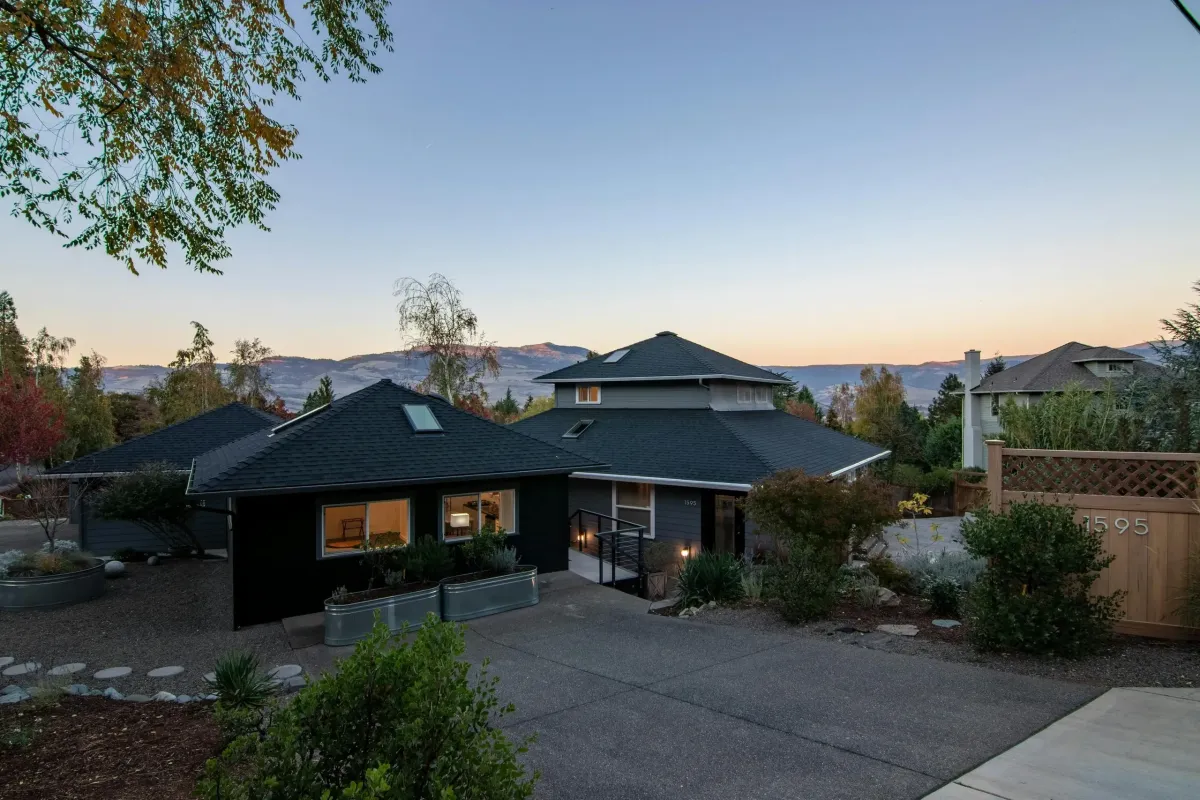
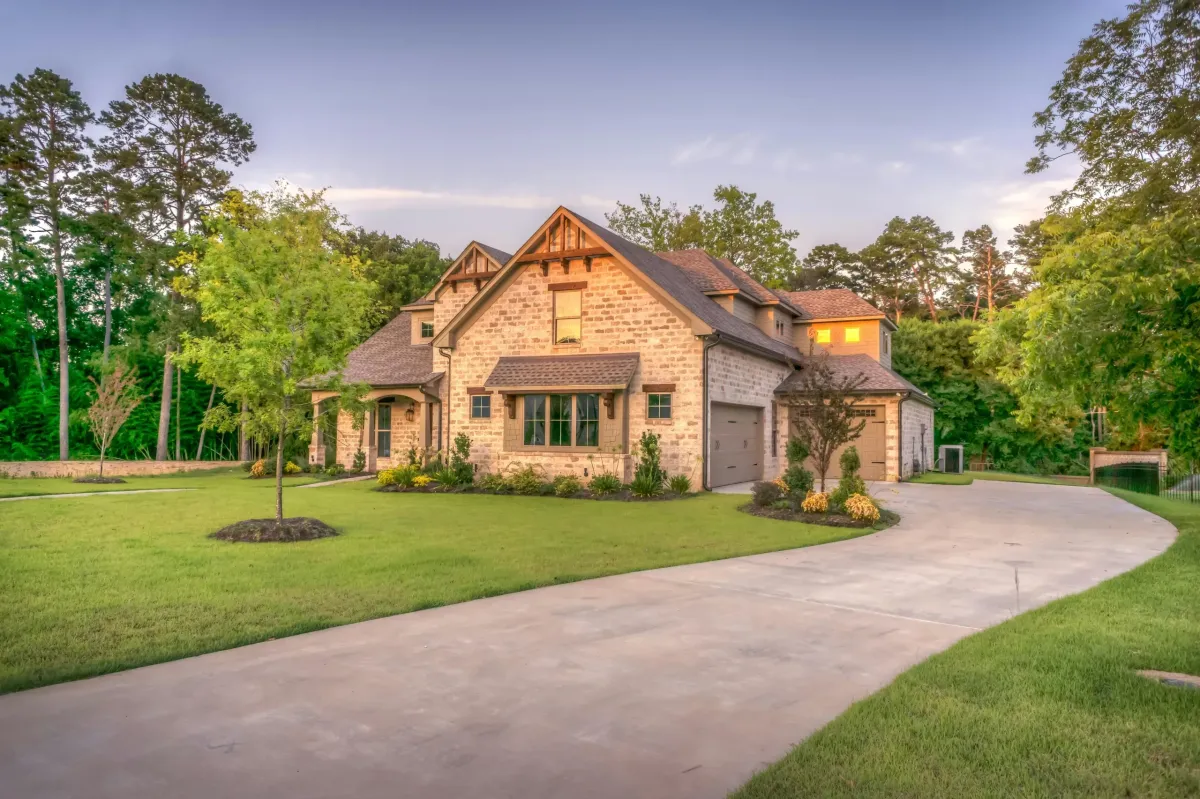
UPGRADE YOUR DRIVEWAY WITH A HEATED
SNOW MELT SYSTEM
UPGRADE YOUR PROPERTY WITH A HEATED DRIVEWAY
A heated driveway transforms winter maintenance into a worry-free experience. Instead of managing snow buildup and slippery surfaces, homeowners can enjoy safe, clear access to their home all season long.
If you're planning a driveway installation or landscape renovation, Landscape Jake can help design a heated system that integrates seamlessly with your property.
Request a Free Estimate
Request a free consultation to explore heated driveway options for your home.
COMPANY
CUSTOMER CARE
FOLLOW US
Copyright © 2025 Landscape Jake - All Rights Reserved.
Facebook
Instagram